

Epicor
Revenue Is Up. Why Is Margin Still Leaking Between Quote, Job and Shipment?
Margin can erode after the sale through material changes, overtime, expedite cost, scrap, rework, subcontract variance and unpriced scope. Epicor can help management trace where quoted economics diverge from executed reality.

Epicor
The Job Shipped. When Should Management Review the Cost Variance?
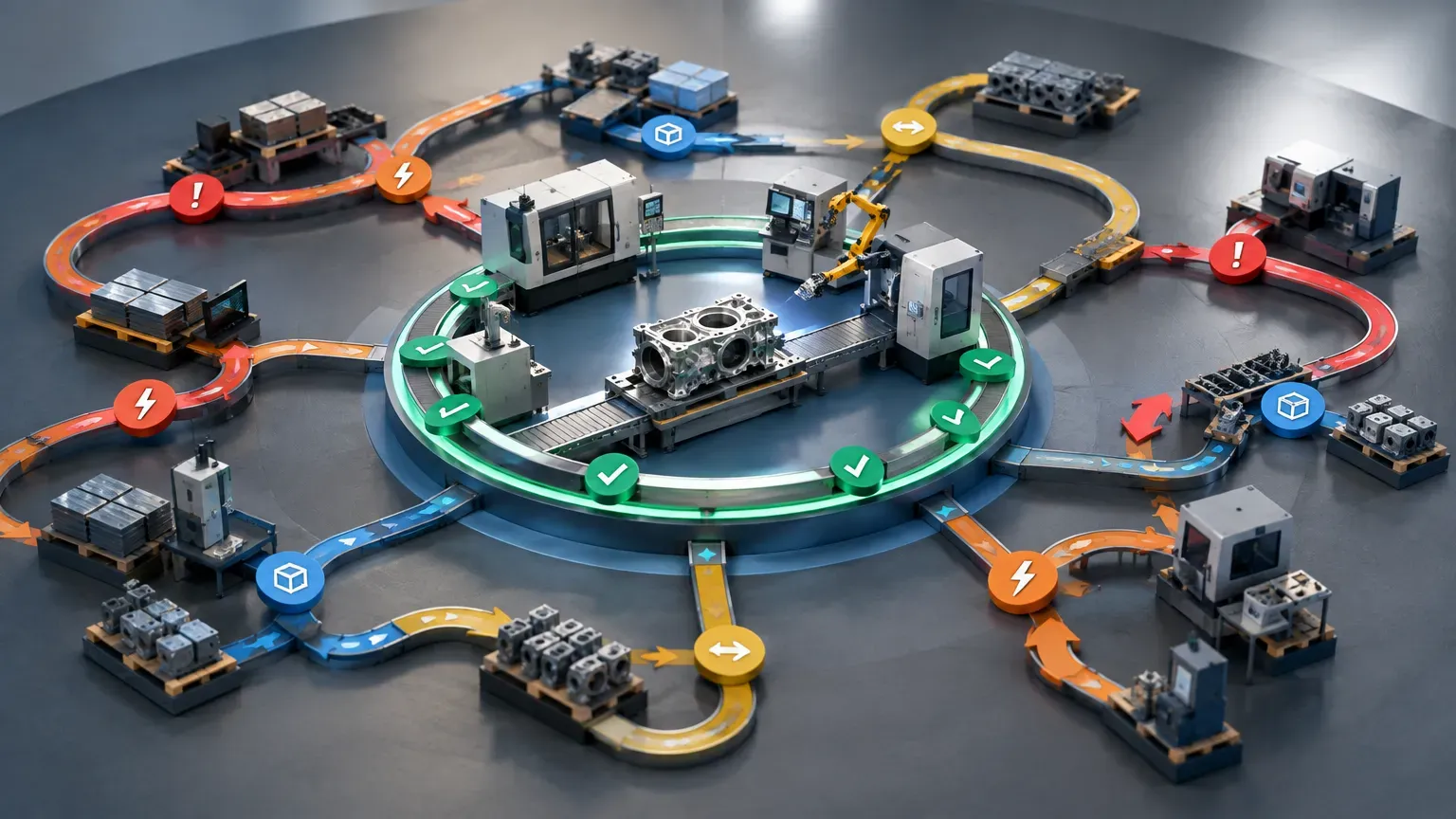
Job-cost variance is most useful while its operational cause can still be understood. Epicor users should review material, labour, burden, subcontract and quantity variances close enough to execution to act on them.
Epicor
Production Is Busy. Why Does the Epicor Schedule Keep Changing Every Day?
Frequent rescheduling is often a symptom of weak assumptions, unstable priorities, shortages and unplanned exceptions. Schedule stability improves when management controls what is allowed to change and why.

Epicor
The Job Is Released. Why Is Production Still Waiting for Material?
Released work is not production-ready when critical material is late, unallocated, in the wrong location or consumed by competing demand. Epicor should help management distinguish released jobs from truly executable jobs.

Epicor
Your Schedule Looks Full. Which Epicor Jobs Are Consuming the Capacity That Matters?
A full schedule does not explain where delivery risk actually sits. Management needs to see which constrained resources, queues, changeovers and overloaded operations are driving job completion risk.

Epicor
Sales Promised the Date. Can Epicor Show Whether Operations Can Actually Deliver It?
A customer promise is reliable only when demand, material, capacity, lead time and current execution are considered together. Epicor order promise should become an operational commitment, not a sales-only date.

Epicor
Epicor Has the Orders. Can Management See Which Ones Will Actually Make Money?
Revenue, schedule and shipment data are not enough to manage profitable manufacturing. Epicor users need a connected plan-to-profit view linking order promise, capacity, material, execution, job cost and margin before problems become month-end surprises.

Epicor
A Small Epicor Change Went Live. How Do You Know It Did Not Weaken a Control Somewhere Else?
Small configuration, BPM, report and workflow changes can alter business controls unexpectedly. Epicor change control should test business impact, ownership, rollback and post-change evidence—not only whether the change technically works.

Epicor
Month-End Is Still Painful. Which Epicor Transactions Should Be Fixed Before Finance Reconciles Them?
A difficult close is often created upstream by late, incomplete or inconsistently timed operational transactions. Finance can reconcile the result, but management should fix the process that creates the reconciling work.

Epicor
Your Epicor Exception List Is Growing. Which Overrides Are Becoming the Real Process?
Exceptions are useful when they handle unusual cases; they become dangerous when repeated overrides quietly replace the standard process. Epicor exception governance should track frequency, cause, ownership and retirement.

Epicor
Why Do Inventory Adjustments Keep Coming Back Even When the Month-End Number Looks Right?
Frequent inventory adjustments are usually evidence of an upstream execution or transaction-timing problem. Management should analyze adjustment patterns by cause instead of treating reconciliation as the control.

Epicor
Too Many Epicor Approvals—or Not Enough? How Do You Design the Right Control?
Approval workflows fail when they become either ceremonial clicks or uncontrolled gaps. The right Epicor approval design matches decision consequence, authority, threshold and exception handling.